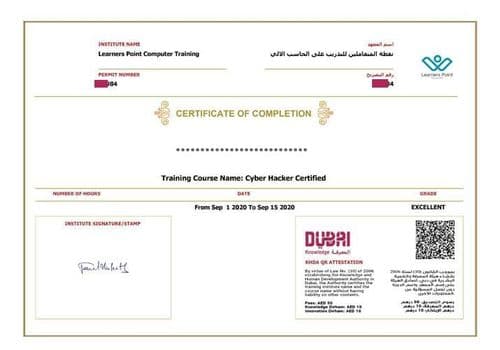
KHDA-approved & accredited training program
24 hours of focused, instructor-led training
Reduce breakdowns with a practical preventive maintenance plan
Repair vs replace decisions using simple cost checks
Improve routing and fleet performance using clear KPIs
Flexible classroom learning options
4.9/5
4976 Enrolled
What our training includes:
Upon course completion, you will be proficient in the following:
1
Gain knowledge about transportation regulations, laws, and compliance requirements
2
Develop skills in route planning, optimisation and logistics coordination
3
Acquire techniques for managing transportation costs and budgeting
4
Learn strategies for mitigating risks and disruptions in transportation operations
5
Analyse transportation networks and understand their impact on supply chain efficiency
Overall ratings by our students
Upcoming sessions
The transportation management course provides knowledge of managing and optimising logistics, supply chain procedures, transportation systems and safety regulations.
This course is ideal for professionals in logistics, supply chain management, and fleet operations. It is also beneficial for those looking to advance their careers in transport management.
As a Contract Management professional, taking our Transport Management will significantly boost your knowledge and expert value. As transportation includes vendor agreements, legal compliance and service-level contracts, your expertise in contract negotiation directly applies. With our training, you can expand your knowledge in supply chain logistics, fleet optimisation, and regulatory frameworks. This will further help you to negotiate better transportation contracts and manage compliant operations. Additionally, as a professional, you will be highly valued in the supply chain and logistics industry.
Fleet management involves supervision of vehicle operations to ensure efficiency, safety and compliance. Our course offers comprehensive training to help reduce costs, maintain vehicle condition and optimise logistic routes.
Yes, beginners can join the Transportation management courses, as most of the programs are crafted for individuals without prior experience. They often provide fundamental knowledge for securing jobs in transportation and logistics.
Technology plays a pivotal role in modern transportation management. Industries utilise GPS tracking, Transportation Management Systems(TMS), advanced data analytics, and automation. These enable them to make data-driven decisions for route planning, cost reduction and enhanced customer service.
Transportation Management System(TMS) is a software platform designed to help businesses to plan, execute and optimise freight movements. This software ensures regulatory compliance, accurate documentation and improved visibility throughout the shipping procedures.
Transportation management programs cover a broader range of topics like supply chain, and logistics, and also include fleet management. In contrast, a fleet management course deals specifically with managing vehicle fleets, including maintenance, fuel management, and route optimisation.
Professionals can secure high-demand job roles in the transportation industry such as Fleet Manager, Logistics Coordinator, and Supply Chain Analyst. They can also work in roles that focus on transportation optimisation and compliance.
Investing in transportation management training is advantageous for organisations to increase profitability and competitiveness within the industry. Trained professionals show proficiency in optimising logistics operations, reducing transportation costs, enhancing supply chain efficiency, and improving delivery timing.
Absolutely! The skills and knowledge acquired from the transport management program can be applied to your current job performance. You will be able to enhance your organisation’s overall transportation, logistics and supply chain operations.
The logistics industry in Dubai is facing major challenges with the rapid changes and technological advancements. It includes managing delivery schedules amidst rising customer expectations, lack of skilled labour, increased fuel prices, and technological integration.
Learn now, pay later
Dive into your course now and pay in installments